semeonov.com
В фотографии · заметки ученика · живой проектIn photography · a student's notes · a living project

МетамодернMetamodern

Простой путеводитель по метамодерну в фотографии: что это, как узнать его в кадре, откуда он взялся, кто так снимает и как он дошёл до журналов и телефонов. Рядом - метафотография: это другая тема, но обе помогают понять ошибку в кадре.A plain guide to metamodernism in photography: what it is, how to recognise it in a picture, where it comes from, who works this way, and how it reached magazines and phones. Next to it is metaphotography: a different topic, but both help to understand the error in a picture.

Я учусь у фотографа Александра Медведева (medvedevphoto.ru). Чтобы лучше разобраться самому, я делаю этот сайт. Материалов его лекций здесь нет, только открытые источники. Сайт пополняется. ПодробнееI study with the photographer Alexander Medvedev (medvedevphoto.ru). I make this site to understand the subject better myself. It contains no material from his lectures, only open sources. It keeps growing. More

01

Что такое метамодернWhat metamodernism is

Сначала три слова. Модерн верил в прогресс, правду и большие идеи. Постмодерн (примерно с 1960-70-х) во всём этом усомнился: всё цитата, всё игра, ничему нельзя верить до конца. Метамодерн - это то, что пришло после. Человек знает про иронию постмодерна, но снова хочет искренности и смысла.

First, three words. Modernism believed in progress, truth and big ideas. Postmodernism (roughly from the 1960s-70s) doubted all of it: everything is a quote, everything is a game, nothing can be fully trusted. Metamodernism is what came after. People know the irony of postmodernism, but they want sincerity and meaning again.

Термин популяризировали голландские исследователи Тимотеус Вермюлен и Робин ван ден Аккер в статье «Notes on Metamodernism» (2010). Их главное слово - осцилляция, то есть колебание: между верой и сомнением, между искренностью и иронией. Ещё два их выражения: «информированная наивность» (знаю все приёмы и всё равно смотрю на мир прямо) и «прагматический идеализм» (верю в смысл, но в малом и практическом).

The term was made popular by the Dutch scholars Timotheus Vermeulen and Robin van den Akker in the essay «Notes on Metamodernism» (2010). Their key word is oscillation: a swing between belief and doubt, between sincerity and irony. Two more of their phrases: «informed naivety» (I know every device and still look at the world directly) and «pragmatic idealism» (I believe in meaning, but in small and practical things).

Рядом стоит идея «новой искренности». В России о ней писал Михаил Эпштейн в 1980-е. В США её связывают с эссе Дэвида Фостера Уоллеса «E Unibus Pluram» (1993): постоянная ирония стала ловушкой, пора снова говорить всерьёз.

Close to it is the idea of «new sincerity». In Russia Mikhail Epstein wrote about it in the 1980s. In the USA it is linked to David Foster Wallace's essay «E Unibus Pluram» (1993): constant irony has become a trap, and it is time to speak seriously again.

Важно: метамодерн - не стиль и не школа, а способ описать настроение времени. Фотографов редко прямо называют метамодернистами. Связи с фотографией на этом сайте - моё прочтение.

Note: metamodernism is not a style or a school but a way to describe the mood of a time. Photographers are rarely called metamodernists directly. The links to photography on this site are my own reading.

02

Как узнать метамодерн в кадреHow to recognise metamodernism in a picture

Фотограф знает все приёмы и знает, что фотография может врать. И всё равно снимает всерьёз. Вот пять признаков, по которым я узнаю такой кадр.

The photographer knows every device and knows that a photograph can lie. And still shoots in earnest. Here are five signs by which I recognise such a picture.

  1. Искренность после иронии.Sincerity after irony. Фотограф снимает всерьёз простые вещи: близких, дом, свет на кухне. И не стесняется чувства.The photographer shoots simple things in earnest: family, home, light in the kitchen. And is not ashamed of the feeling.
  2. Приём виден, и это не мешает.The device shows, and that is fine. Смаз, вспышка в лоб, зерно, дата в углу. Мы видим, как сделан кадр, и всё равно ему верим. Это и есть «информированная наивность».Blur, direct flash, grain, a date stamp in the corner. We see how the frame was made and still believe it. This is «informed naivety».
  3. Колебание.Oscillation. Кадр одновременно немного смешной и трогательный, «любительский» и точный. Нельзя твёрдо сказать, шутка это или всерьёз.The frame is at once a bit funny and touching, «amateur» and precise. You cannot firmly say whether it is a joke or serious.
  4. Несовершенство как честность.Imperfection as honesty. Ошибку не прячут. Её оставляют, потому что она живая.The error is not hidden. It is kept because it is alive.
  5. Малое вместо великого.The small instead of the grand. Не великие истины, а частные моменты, которые всё же что-то значат. Это «прагматический идеализм».Not grand truths but private moments that still mean something. This is «pragmatic idealism».

Модерн, постмодерн, метамодерн: одна таблицаModernism, postmodernism, metamodernism: one table

МодернModernismПостмодернPostmodernismМетамодернMetamodernism
Во что веритWhat it believesВ правду и прогрессIn truth and progressНи во что до конца: всё цитатаIn nothing fully: everything is a quoteЗнает, что всё цитата, и всё равно выбирает веритьKnows everything is a quote, and still chooses to believe
Что такое снимокWhat a picture isОкно в мир, идеальный отпечатокA window on the world, a perfect printКопия копии, игра с клишеA copy of a copy, a game with clichésЧестный след, даже если он «плохой»An honest trace, even if it is «bad»
ОшибкаErrorБрак, его прячутA fault, hiddenПриём, цитата, играA device, a quote, a gameЗнак искренности, её оставляютA sign of sincerity, kept
ПримерExampleАнсел Адамс и группа f/64 (1930-е): резкость и безупречный тонAnsel Adams and Group f/64 (1930s): sharpness and flawless toneСинди Шерман, «Untitled Film Stills» (1977-1980): она играет героинь несуществующих фильмовCindy Sherman, «Untitled Film Stills» (1977-1980): she plays heroines of films that do not existТильманс, Каваути, Теллер: простые моменты всерьёз (моё прочтение)Tillmans, Kawauchi, Teller: simple moments in earnest (my reading)
03

Метафотография: снимок, который показывает, как он сделанMetaphotography: a picture that shows how it was made

Метафотография - это фотография о самой фотографии. Обычный снимок показывает то, что было перед камерой: человека, улицу, дерево. Метафотография показывает ещё и то, как снимок получился: выдержку, плёнку, пиксели файла, свет, движение руки.

Metaphotography is photography about photography itself. An ordinary picture shows what was in front of the camera: a person, a street, a tree. Metaphotography also shows how the picture came to exist: the exposure, the film, the pixels of the file, the light, the movement of the hand.

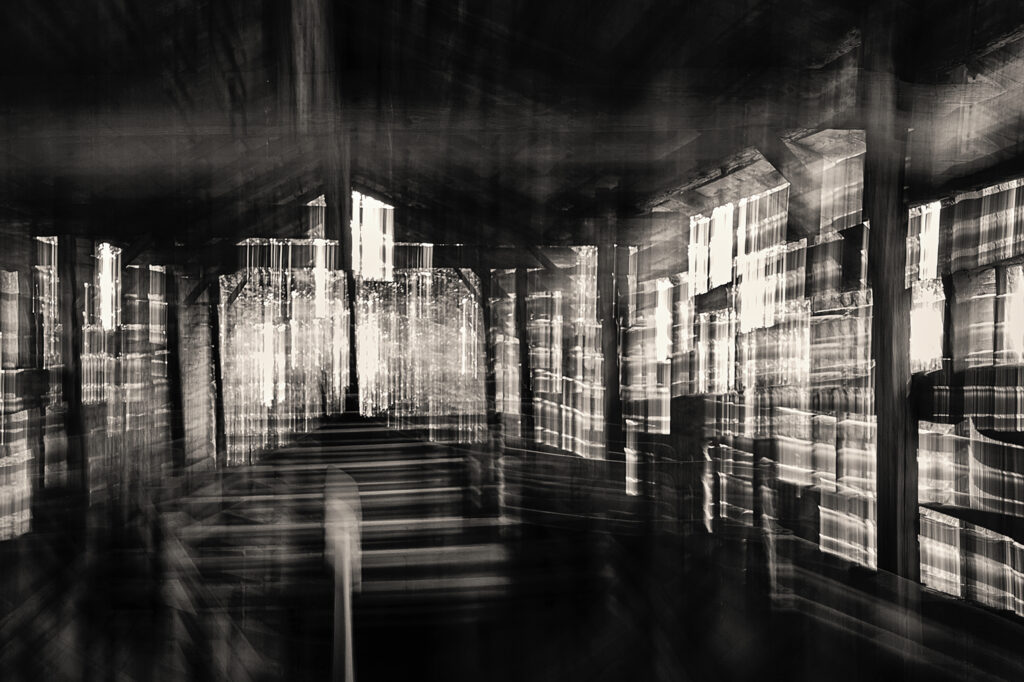
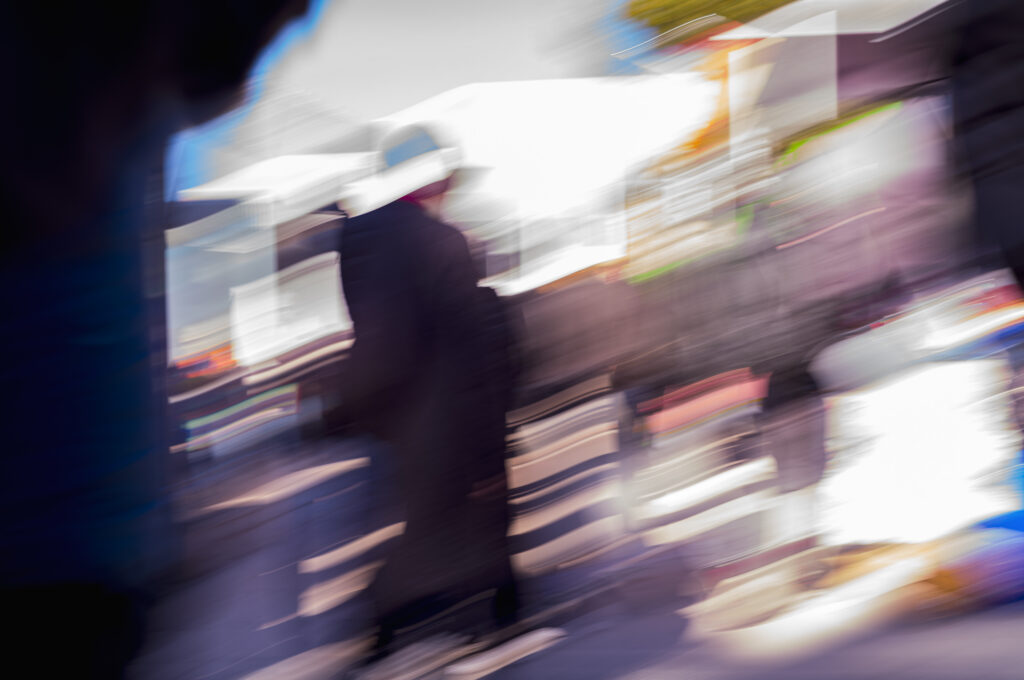
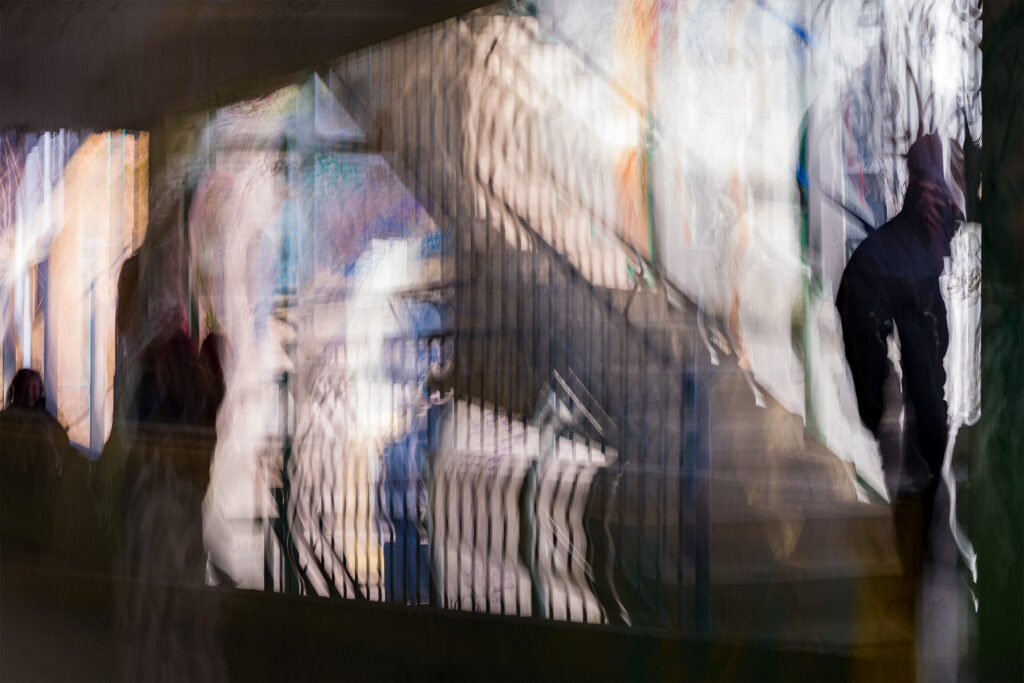
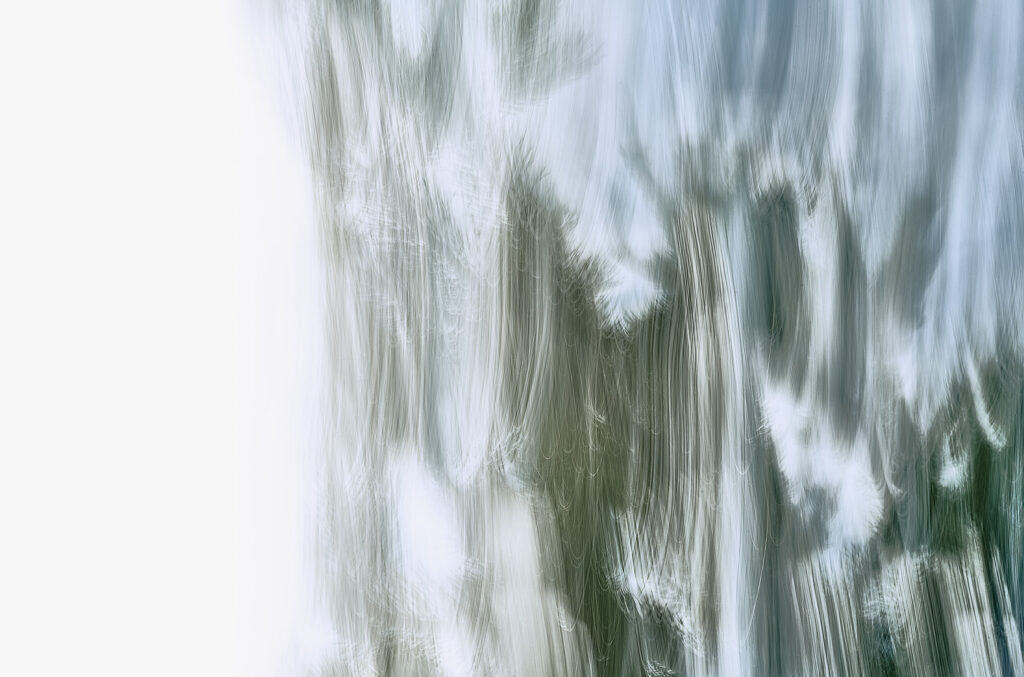
Пример. Снимите улицу на длинной выдержке и ведите камеру. Люди станут полосами. На таком кадре видна не только улица, но и сама съёмка: время и жест фотографа.

An example. Photograph a street with a long exposure and move the camera. People turn into streaks. The frame shows not only the street but the act of shooting itself: time and the photographer's gesture.

Важно: метафотография и метамодерн - два разных «мета», это не одно и то же. Метамодерн - про отношение: искренность после иронии. Метафотография - про медиум: фотография о самой фотографии. Общее у них одно: обе темы помогают понять ошибку в кадре.

Note: metaphotography and metamodernism are two different kinds of «meta», not the same thing. Metamodernism is about an attitude: sincerity after irony. Metaphotography is about the medium: photography about photography itself. They share one thing: both help to understand the error in a picture.

Слово «метафотография» используют в двух смыслах. Первый: художник исследует медиум, то есть носитель изображения (камеру, плёнку, файл), и спрашивает, можно ли верить фотографии. Так говорят о Томасе Руффе. Второй: фотограф Элвин Грейс называет метафотографией снимок, в котором главное - след его жеста во время экспозиции. Обоих можно посмотреть в галерее ниже.

The word «metaphotography» is used in two senses. In the first, the artist examines the medium, that is, the carrier of the image (the camera, the film, the file), and asks whether a photograph can be trusted. This is how Thomas Ruff's work is described. In the second, the photographer Alvin Greis uses the word for pictures whose main content is the trace of his gesture during the exposure. Both are in the gallery below.

04

Откуда растут ногиWhere it all comes from

ТеорияTheory

МетакартинаMetapicture

Теоретик У. Дж. Т. Митчелл в книге «Picture Theory» (1994) ввёл понятие метакартины: это изображение, которое показывает само себя - как оно сделано и как мы на него смотрим.

In «Picture Theory» (1994) the theorist W. J. T. Mitchell introduced the metapicture: an image that shows itself, how it is made and how we look at it.

Камера как «чёрный ящик»The camera as a black box

Философ Вилем Флюссер в книге «За философию фотографии» (1983) описал камеру как аппарат с программой. Фотограф думает, что выбирает, а на деле часто исполняет вариант, заложенный в аппарат. Метафотография делает эту программу видимой.

In «Towards a Philosophy of Photography» (1983) the philosopher Vilém Flusser described the camera as an apparatus with a program. The photographer believes he chooses, but often just plays out an option built into the device. Metaphotography makes this program visible.

Ранние опытыEarly experiments

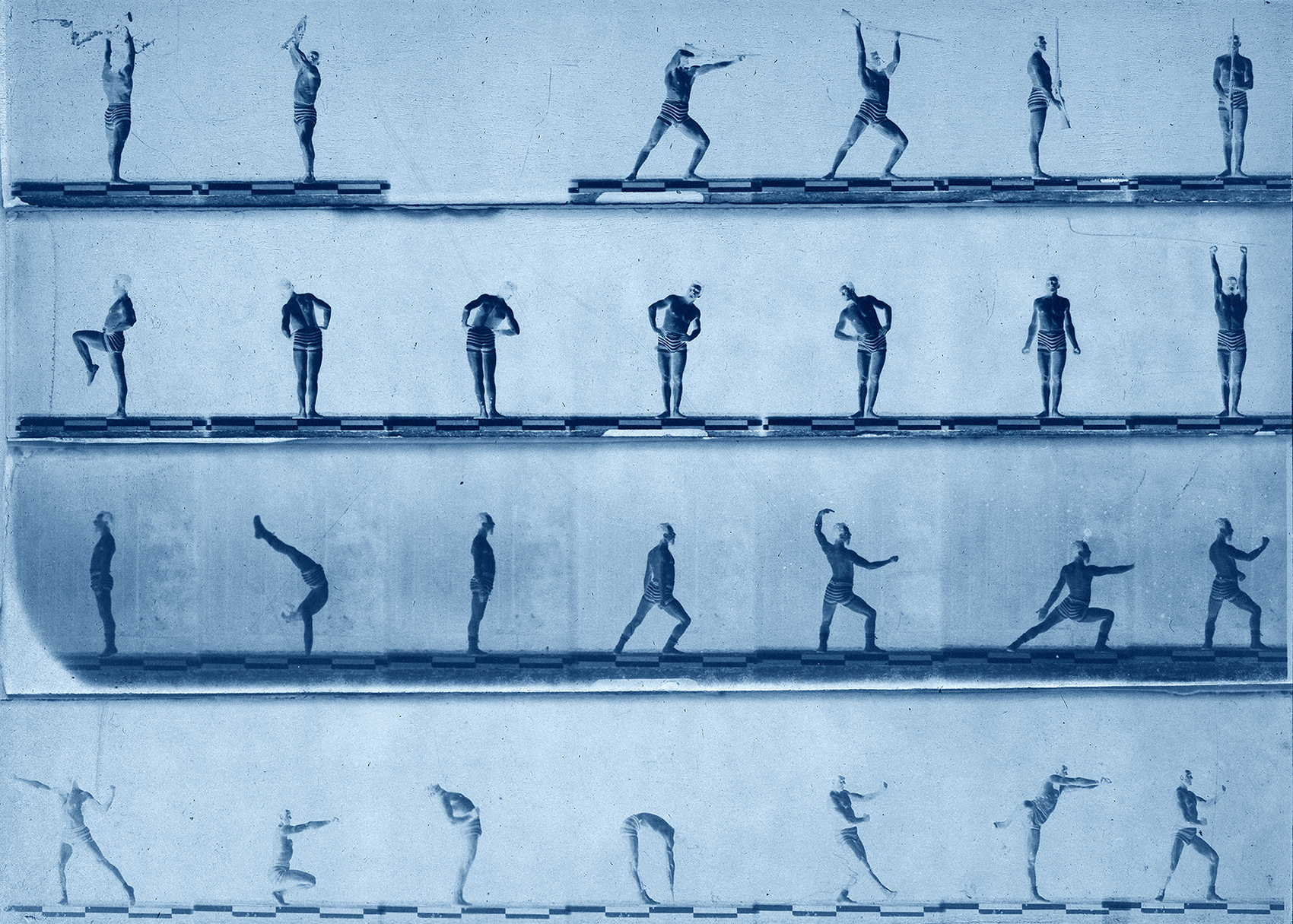
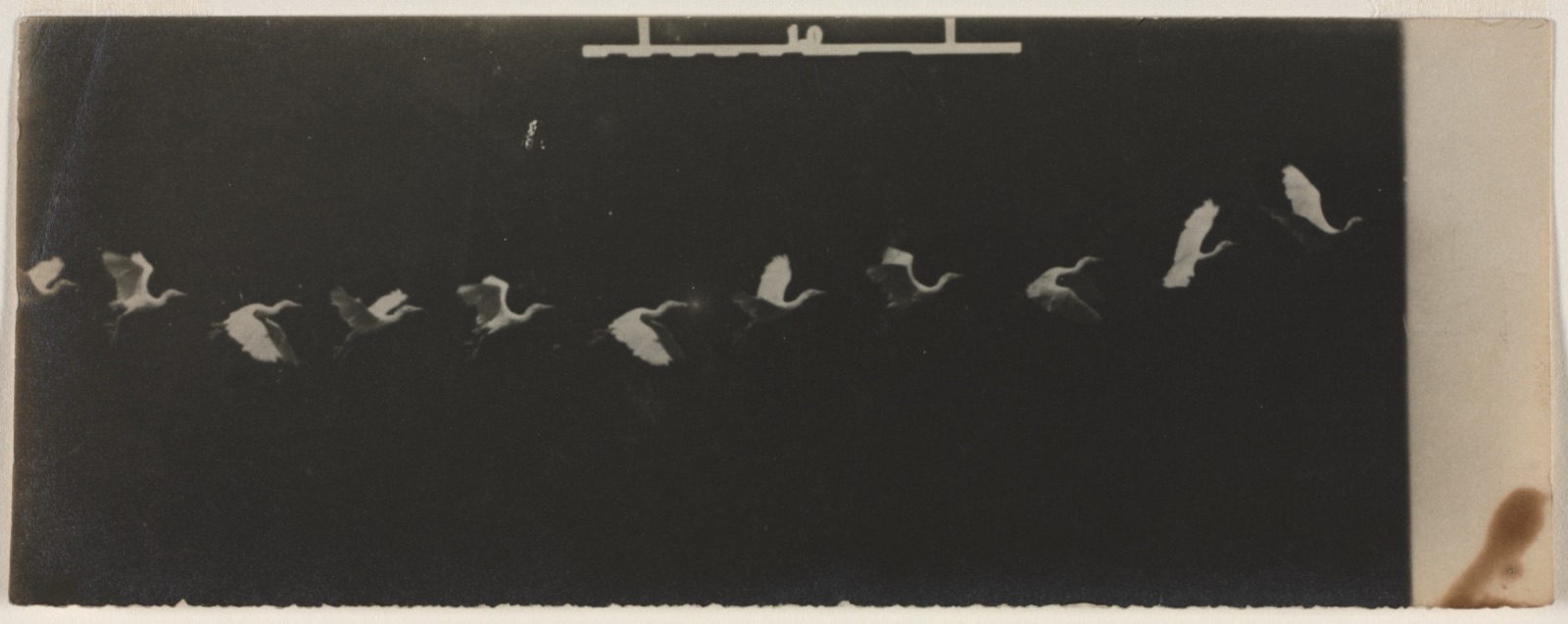
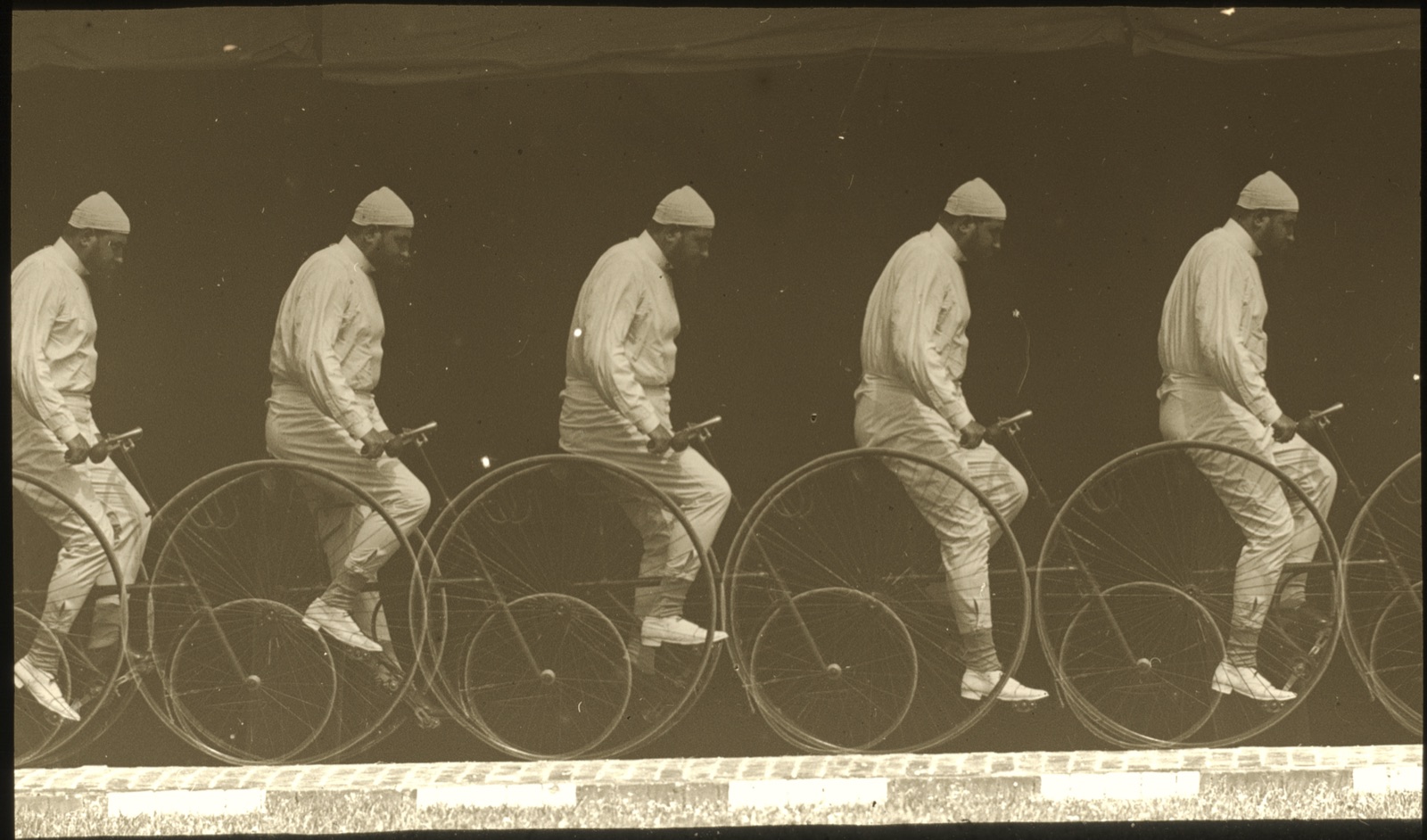
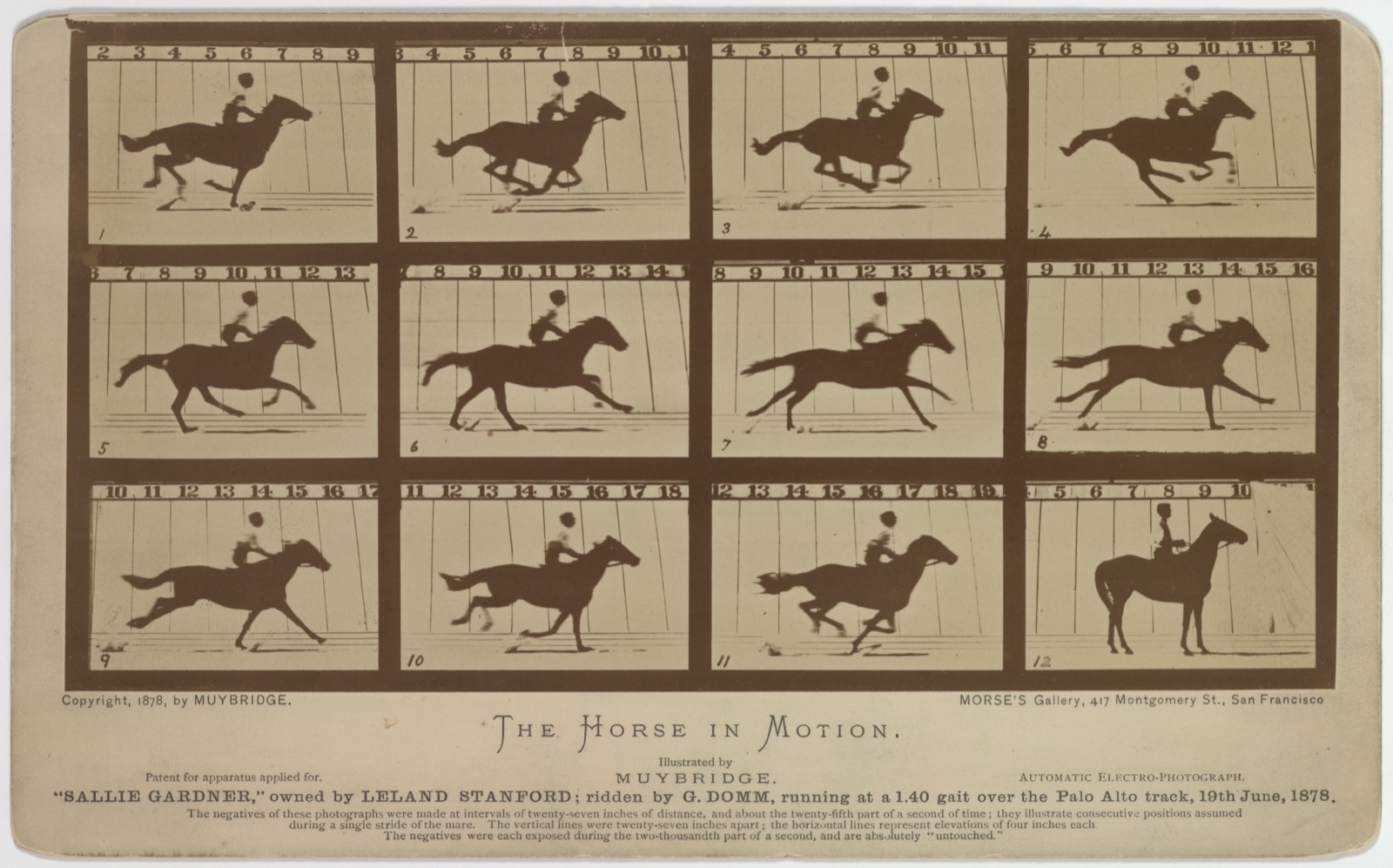
Сама практика старше теории. В 1870-80-х Эдвард Майбридж и Этьен-Жюль Марей разложили движение на фазы. В 1920-х Ласло Мохой-Надь и Ман Рэй делали снимки вообще без камеры: предметы и свет прямо на фотобумаге.

The practice is older than the theory. In the 1870s-80s Eadweard Muybridge and Étienne-Jules Marey broke motion into phases. In the 1920s László Moholy-Nagy and Man Ray made pictures with no camera at all: objects and light placed straight on photographic paper.

«Сломанный» кадрThe «broken» frame

Вторая ветка - фотографы, которые нарушили правила «хорошего» снимка. Александр Родченко в 1920-е снимал с резких углов, сверху и снизу, чтобы привычное увиделось по-новому. Уильям Кляйн в книге о Нью-Йорке (1956) снимал широким углом, вплотную, с грубым контрастом. Роберт Франк в книге «Американцы» (1958) снимал наискосок, с зерном и смазом.

The second branch is the photographers who broke the rules of a «good» picture. In the 1920s Alexander Rodchenko shot from sharp angles, from above and below, so that the familiar looked new. In his New York book (1956) William Klein shot wide, close and with harsh contrast. In «The Americans» (1958) Robert Frank shot at a tilt, with grain and blur.

В Японии журнал Provoke (1968) сделал из этого программу: are-bure-boke, «грубо, смазано, не в фокусе». Самый известный автор этого круга - Дайдо Морияма. Отсюда прямой путь к «ошибке как языку» и к нынешней моде на несовершенный кадр.

In Japan the magazine Provoke (1968) turned this into a program: are-bure-boke, «rough, blurred, out of focus». The best-known photographer of this circle is Daido Moriyama. From here there is a direct path to «error as a language» and to today's taste for the imperfect frame.

№ 01 · 1885-1890 · Wikimedia / NGA
Этьен-Жюль МарейÉtienne-Jules Marey
Chronophotograph of a Man on a Bicycle
Несколько фаз движения на одной пластинке.Several phases of motion on one plate.
№ 02 · 1878 · Wikimedia
Эдвард МайбриджEadweard Muybridge
The Horse in Motion (Sallie Gardner)
Движение, разложенное на кадры.Motion broken into frames.
№ 03 · 1923 · Wikimedia
Ласло Мохой-НадьLászló Moholy-Nagy
Photogram (fgm 422)
Свет и предмет на бумаге, без камеры.Light and object on paper, no camera.
№ 04 · 1922 · Art Institute of Chicago
Ман РэйMan Ray
Untitled (rayograph)
Рейограмма: предметы прямо на фотобумаге.Rayograph: objects placed straight on photographic paper.
05

Кто так работает сейчасWho works this way today

Это два разных списка. Картинки - в галерее ниже.

These are two separate lists. Pictures are in the gallery below.

Черты метамодерна (моё прочтение)Traits of metamodernism (my reading)

Прямо метамодернистами фотографов называют редко. Здесь авторы, у которых я вижу его черты: искренность, видимый приём, ошибку как честность.

Photographers are rarely called metamodernists directly. Here are artists in whom I see its traits: sincerity, a visible device, error as honesty.

  • Ринко КаваутиRinko Kawauchi снимает простые вещи в мягком свете, всерьёз и с нежностью. Для меня это ближе всего к метамодерну.photographs simple things in soft light, in earnest and with tenderness. To me this is the closest to metamodernism.
  • Вольфганг ТильмансWolfgang Tillmans вешает на одну стену снимки друзей, быта и абстракции без камеры. Личное и эксперимент на равных.hangs pictures of friends, everyday life and camera-less abstractions on one wall. The personal and the experiment as equals.
  • Юрген ТеллерJuergen Teller принёс «любительский» снимок в моду и журналы.brought the «amateur» snapshot into fashion and magazines.

МетафотографияMetaphotography

Эти авторы работают с самим медиумом. К метамодерну их не отношу.

These artists work with the medium itself. I do not count them as metamodernist.

06

Как это дошло до журналов и телефоновHow it reached magazines and phones

Музейные идеи доходят до обычных людей через моду и журналы. Глянец долго был идеальным: студия, ретушь, безупречный свет. В 1990-е это сломалось.

Museum ideas reach ordinary people through fashion and magazines. Glossy magazines were long perfect: studio, retouching, flawless light. In the 1990s this broke.

Коринн Дэй и Кейт МоссCorinne Day and Kate Moss

В июле 1990 года журнал The Face напечатал съёмку Коринн Дэй «The Third Summer of Love»: юная Кейт Мосс смеётся на пляже. Один из кадров стал обложкой. Это было похоже на снимки из личного альбома, а не на рекламу.

In July 1990 The Face published Corinne Day's story «The Third Summer of Love»: the young Kate Moss laughing on a beach. One of the frames became the cover. It looked like pictures from a private album, not like advertising.

В 1993 году Дэй сняла первую обложку Мосс для Vogue. В июньском British Vogue того же года вышла её съёмка «Under Exposed»: Мосс дома, в своей квартире. Был скандал. Стиль связывают с «heroin chic» и с «документальной модой». Но после этого глянец перестал быть обязательным.

In 1993 Day shot Moss's first Vogue cover. The June issue of British Vogue that year ran her story «Under Exposed»: Moss at home in her flat. It caused a scandal. The style is linked to «heroin chic» and to «documentary fashion». But after it, gloss was no longer required.

Юрген ТеллерJuergen Teller

Юрген Теллер с 1998 года (первая кампания с Ким Гордон из Sonic Youth) до 2014 года снимал рекламу Marc Jacobs. Он работал для разных изданий Vogue, для W, i-D, The Face. Вспышка в лоб, случайный фон, неловкие позы: «любительская» эстетика и красота несовершенства. Реклама стала похожа на снимок из семейного альбома.

From 1998 (the first campaign, with Kim Gordon of Sonic Youth) to 2014 Juergen Teller shot the Marc Jacobs advertising. He worked for several editions of Vogue, for W, i-D and The Face. Direct flash, a random background, awkward poses: an «amateur» look and the beauty of imperfection. Advertising began to look like a picture from a family album.

Телефоны и соцсетиPhones and social media

Дальше это ушло в телефоны. Kodak в 2018 году вернул слайдовую плёнку Ektachrome: интерес к плёнке снова вырос. Приложение Huji Cam (2017) имитирует одноразовую плёночную камеру, с датой в углу. BeReal (2020) раз в день даёт две минуты на кадр без фильтров. В Instagram в 2020-2021 годах пошла мода на «photo dump»: пачка случайных, смазанных, неотобранных кадров.

Then it moved into phones. In 2018 Kodak brought back Ektachrome slide film: interest in film had grown again. The Huji Cam app (2017) imitates a disposable film camera, date stamp included. BeReal (2020) gives you two minutes once a day for a picture with no filters. On Instagram in 2020-2021 the «photo dump» became a trend: a set of random, blurred, unedited frames.

Итог. То, что раньше было браком, стало знаком искренности. Это и есть метамодерн в массовой культуре: мы знаем, что снимок «плохой», и выбираем его, потому что он живой.

In short: what used to be a fault became a sign of sincerity. This is metamodernism in mass culture: we know the picture is «bad», and we choose it because it is alive.

07

Ошибка как язык: когда брак становится приёмомError as a language: when a fault becomes a device

Смаз, расфокус, зерно, блик, кривой горизонт долго считались браком. Многие из этих «ошибок» потом стали языком фотографии. Чтобы отличить приём от брака, помогает старое различение римского ритора Квинтилиана: одно и то же нарушение по незнанию - порок, а сделанное намеренно - фигура речи.

Blur, soft focus, grain, flare and a tilted horizon were long seen as faults. Many of these «errors» later became part of the language of photography. An old distinction by the Roman rhetorician Quintilian helps to tell a device from a fault: the same break of a rule is a vice when made out of ignorance, and a figure of speech when made on purpose.

Ошибку можно «усыновить» задним числом: заметить при отборе и понять, что она делает для кадра. Брайан Ино и Петер Шмидт в колоде «Oblique Strategies» (1975) написали: «Honor thy error as a hidden intention» - «Чти свою ошибку как скрытое намерение».

A mistake can also be adopted after the fact: noticed in the edit and understood for what it does in the frame. Brian Eno and Peter Schmidt put it on a card in «Oblique Strategies» (1975): «Honor thy error as a hidden intention».

№ 33 · 1912 · Wikimedia / MoMA
Жак-Анри ЛартигJacques-Henri Lartigue
Grand Prix of the A.C.F.
Затвор не успел: машина и зрители наклонились в разные стороны.The shutter was too slow: the car and the spectators lean in opposite directions.
№ 34 · 1944 · Wikimedia
Роберт КапаRobert Capa
D-Day, Omaha Beach
Нерезкость передаёт страх. История об испорченной плёнке сейчас оспаривается.The blur carries the fear. The story of the ruined film is now disputed.
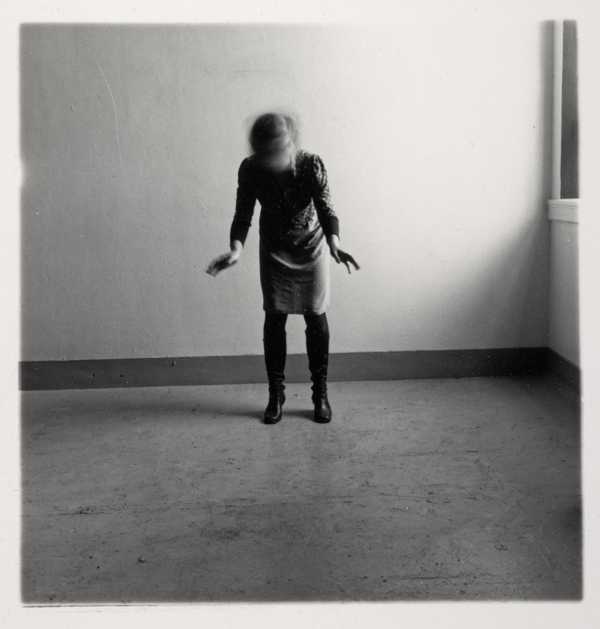
№ 35 · 1976 · Tate
Франческа ВудманFrancesca Woodman
Space², Providence, Rhode Island
Неподвижно.Still.
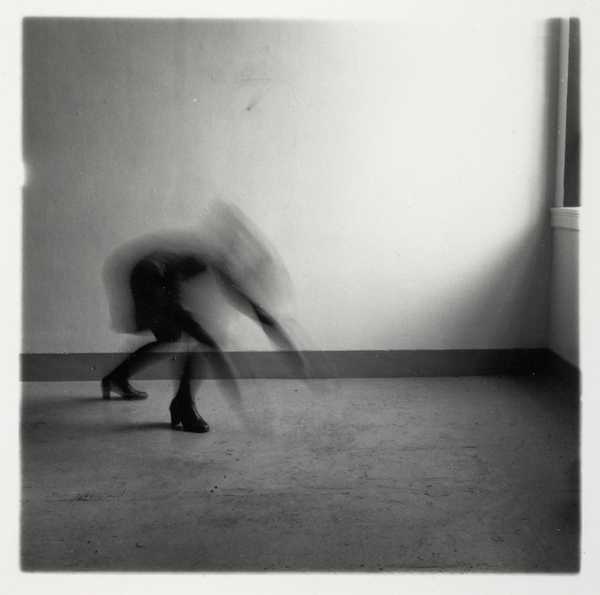
№ 36 · 1976 · Tate
Франческа ВудманFrancesca Woodman
Space², Providence, Rhode Island
То же место в движении: один кадр без ошибки, другой с ней.The same place in motion: one frame without the error, one with it.
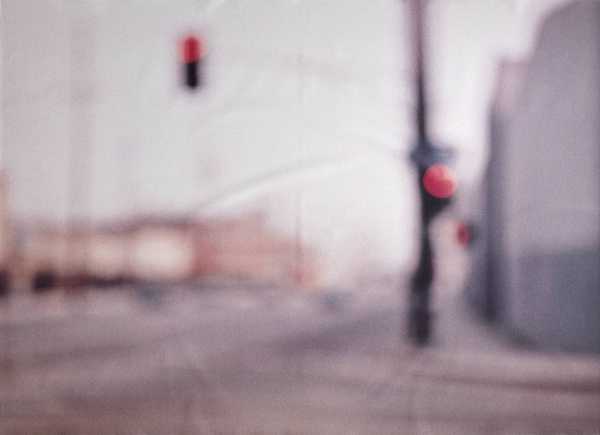
№ 37 · 1997 · Tate
Ута БартUta Barth
Field #20
В фокусе ничего: смотришь на сам взгляд.Nothing in focus: you look at looking itself.
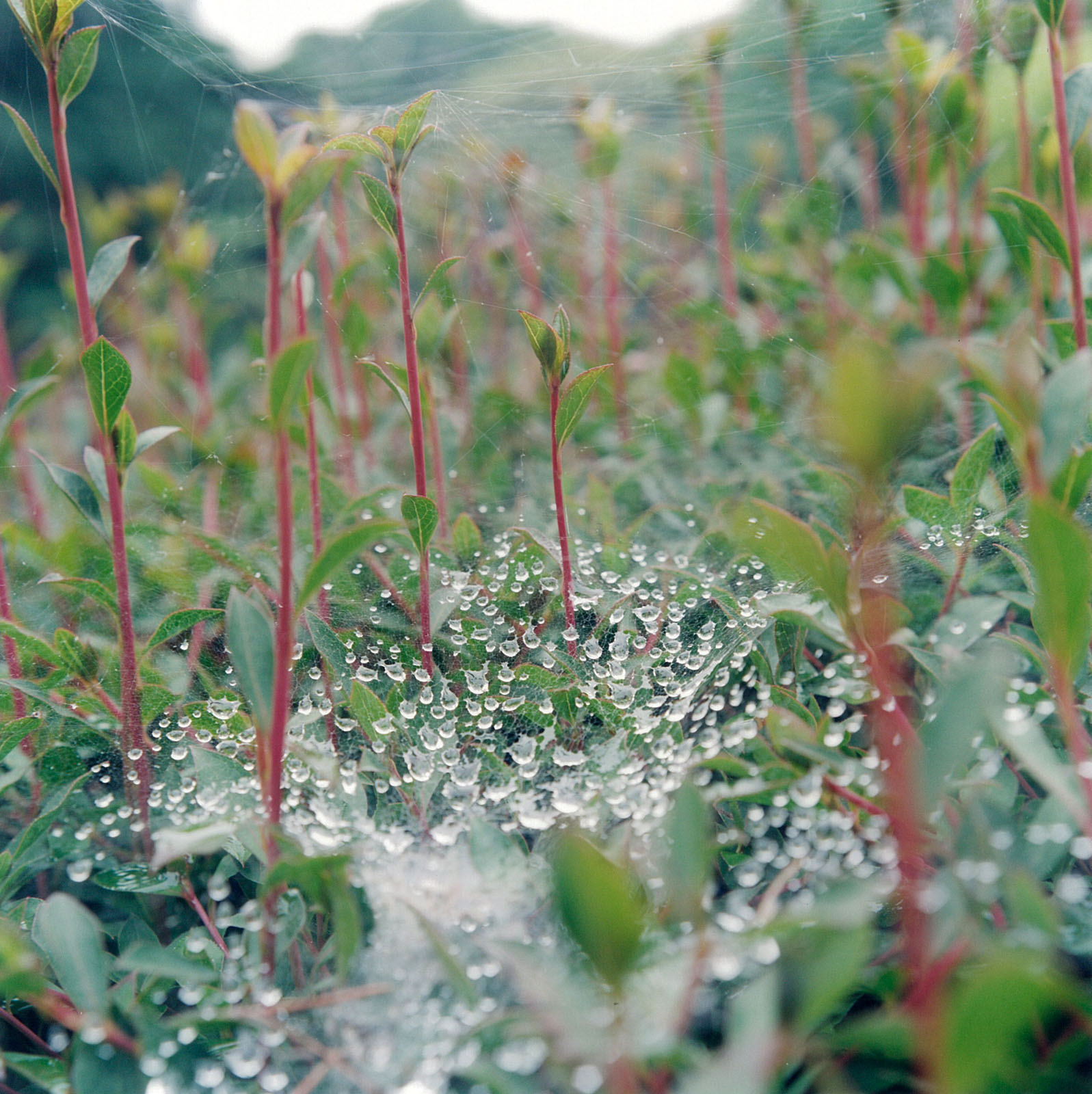
№ 38 · 2011 · Art Blart
Ринко КаваутиRinko Kawauchi
Untitled, Illuminance
Мягкость и свет как нежность.Softness and light as tenderness.
№ 39 · 1960 · Feature Shoot
Сол ЛейтерSaul Leiter
Snow
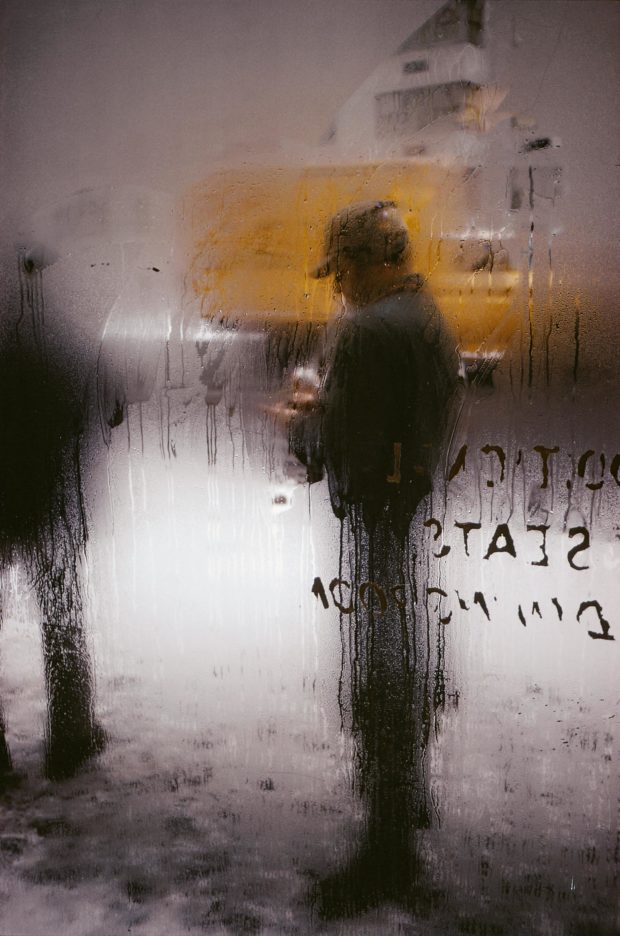
Через запотевшее стекло: резкие только буквы.Through a misted window: only the letters are sharp.
№ 40 · 1955 · Art Blart
Вивиан МайерVivian Maier
Self-Portrait, New York
Автопортреты в витринах и зеркалах.Self-portraits in shop windows and mirrors.
№ 41 · 1956 · Art Blart
Билл БрандтBill Brandt
Nude, Campden Hill, London
Широкий угол искажает тело и комнату.A wide-angle lens distorts the body and the room.
№ 42 · 1943 · Wikimedia
УиджиWeegee
The Critic
Вспышка в лоб, ночь.Direct flash at night.
№ 43 · 1968 · Art Blart
Дуэйн МайклзDuane Michals
The Spirit Leaves the Body
Двойная экспозиция как сюжет.Double exposure as the story.
№ 44 · 1968 · Art Blart
Дуэйн МайклзDuane Michals
The Spirit Leaves the Body
08

Томас Руфф: фотография про сам носительThomas Ruff: photographs about the medium itself

Томас Руфф (Германия, род. 1958) учился у Бернда Бехера в Дюссельдорфе. Его ретроспектива 2022 года в музее MAMC+ в Сент-Этьене так и называлась: «Metaphotography». Около ста работ из семнадцати серий.

Thomas Ruff (Germany, b. 1958) studied under Bernd Becher in Düsseldorf. His 2022 retrospective at MAMC+ in Saint-Étienne was titled «Metaphotography»: about one hundred works from seventeen series.

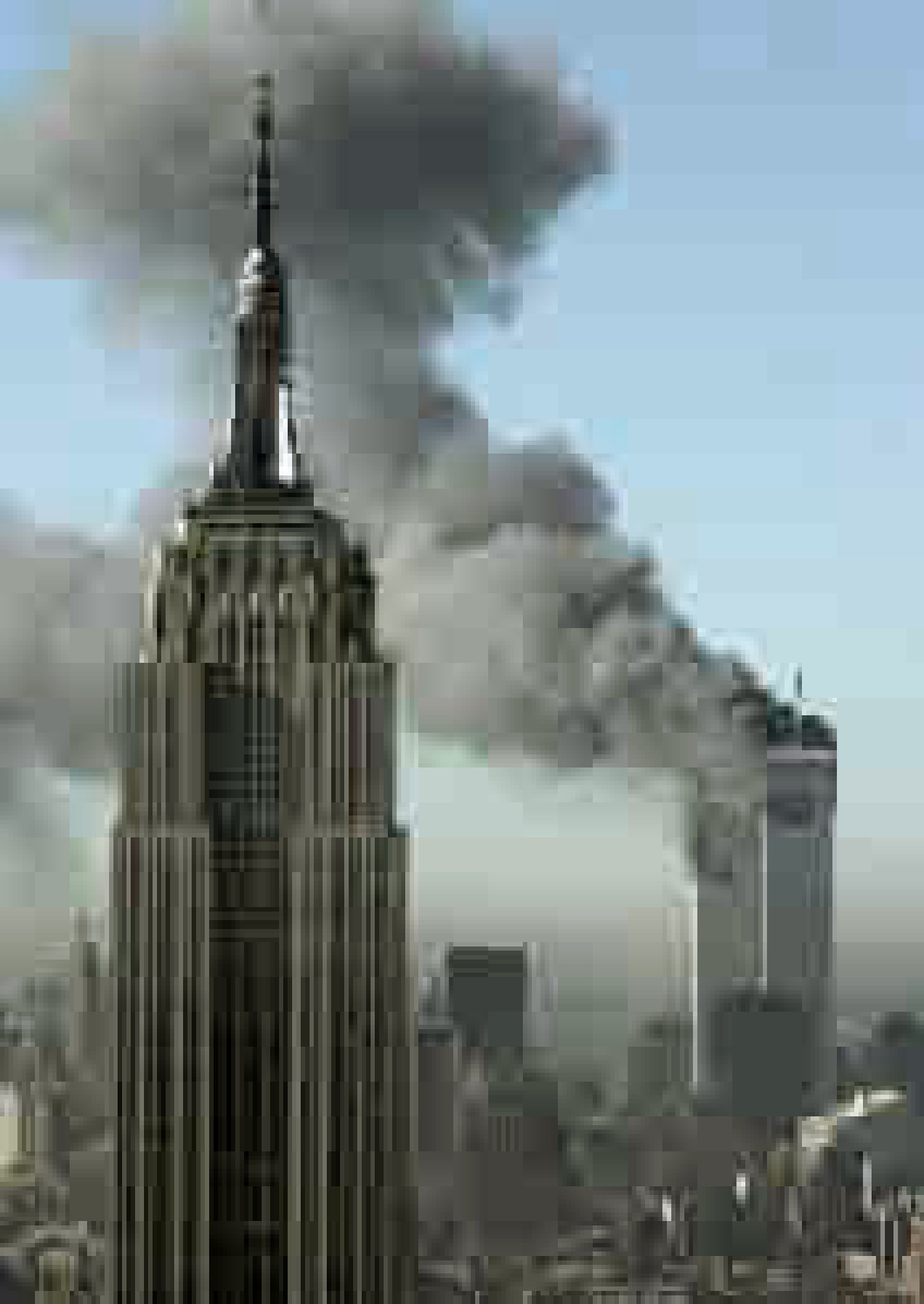
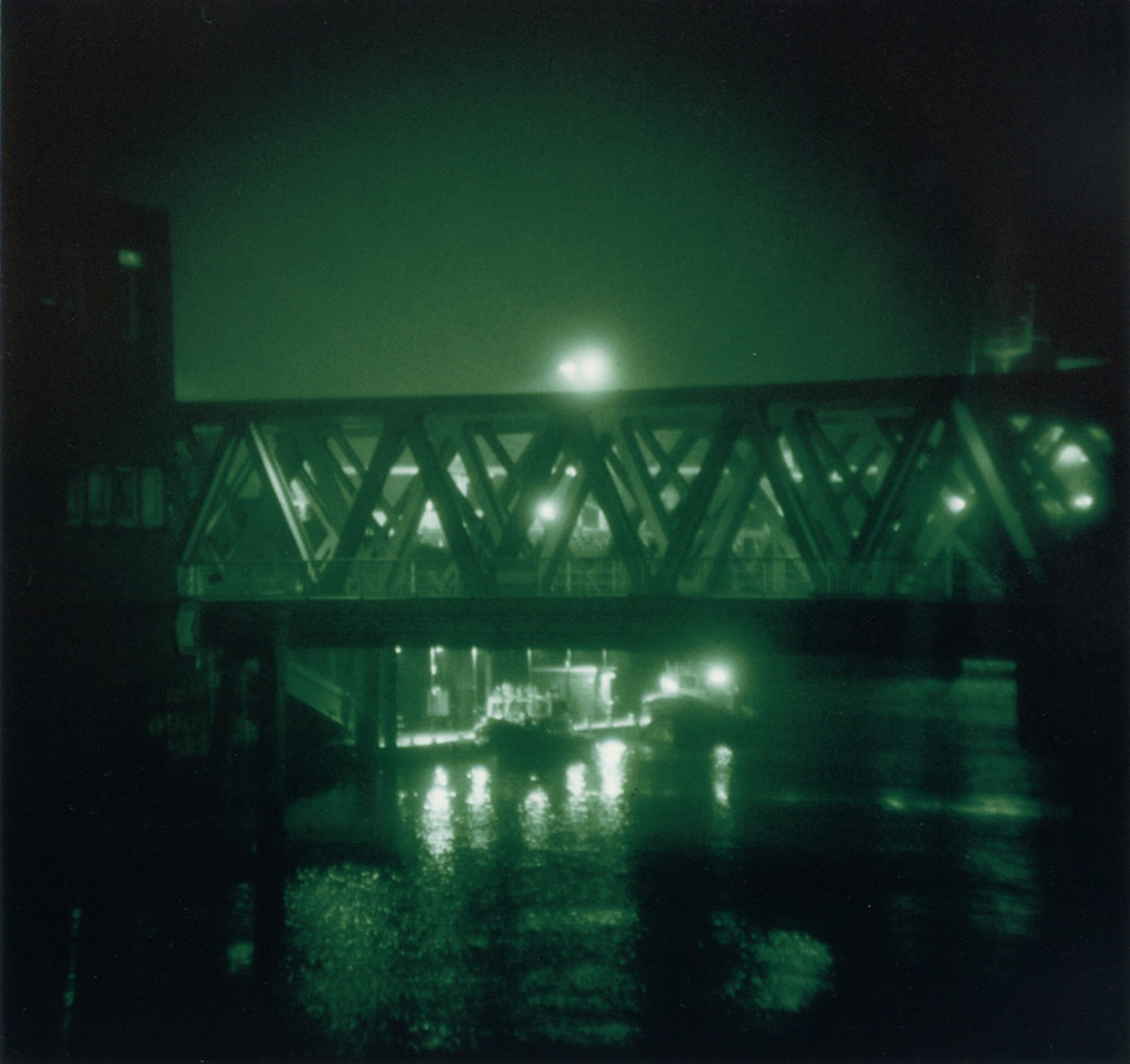
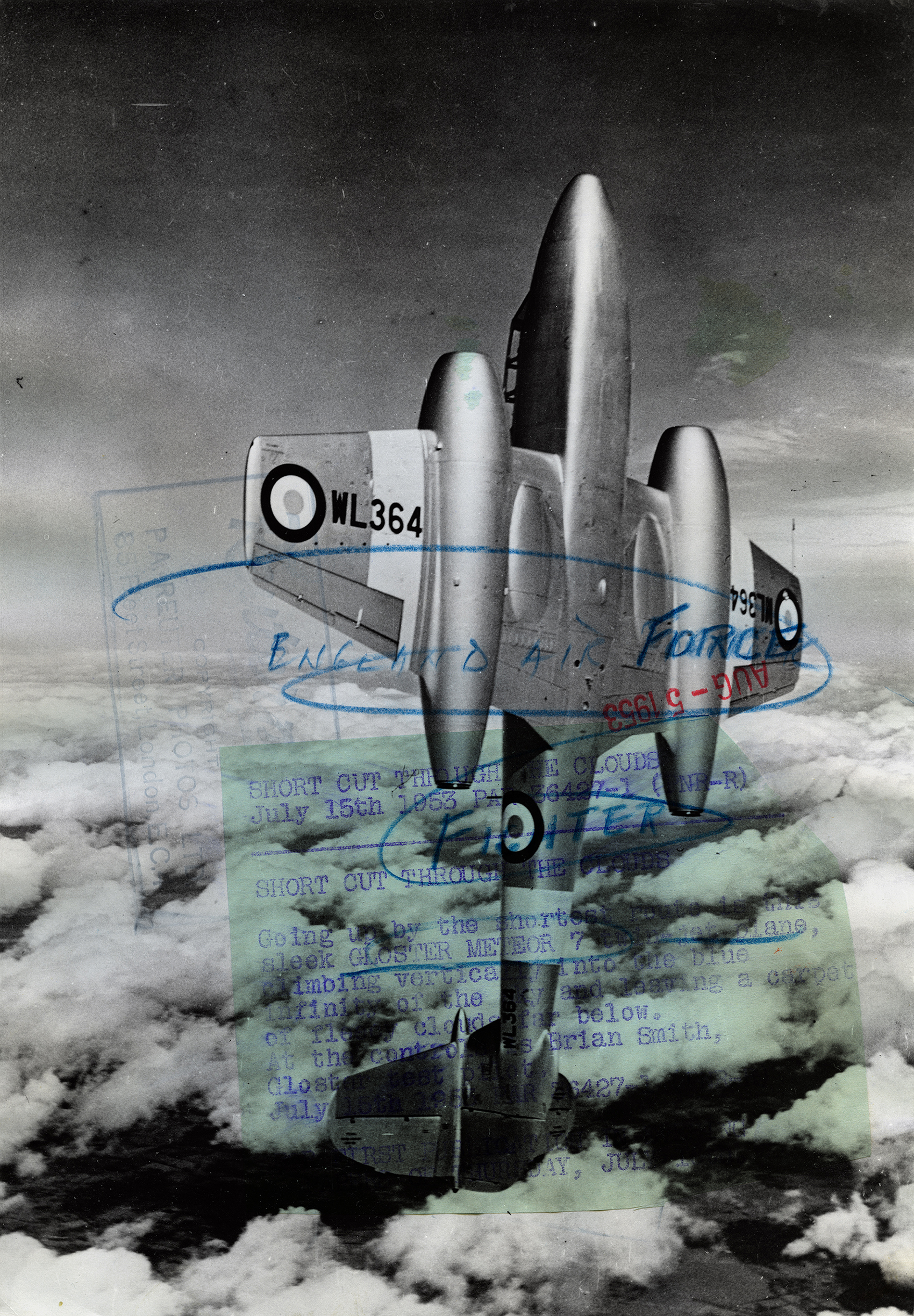
Руфф снимает не мир, а то, через что мы мир видим: пиксели сжатого файла, прибор ночного видения, газетную ретушь, архив обсерватории. После его работ трудно поверить, что фотография - прозрачное окно.

Ruff does not photograph the world but what we see the world through: the pixels of a compressed file, a night-vision device, newspaper retouching, an observatory archive. After his work it is hard to believe that a photograph is a clear window.

№ 05 · 2004 · MAMC+
Томас РуффThomas Ruff
jpeg ny01
Сжатие JPEG стало изображением.JPEG compression becomes the image.
№ 06 · 1992 · MAMC+
Томас РуффThomas Ruff
Nacht 10 I
Через прибор ночного видения.Seen through a night-vision device.
№ 07 · 2016 · MAMC+
Томас РуффThomas Ruff
press++21.11
Газетный снимок вместе с пометками редакции.A press photo together with the editors' marks.
№ 08 · 2013 · MAMC+
Томас РуффThomas Ruff
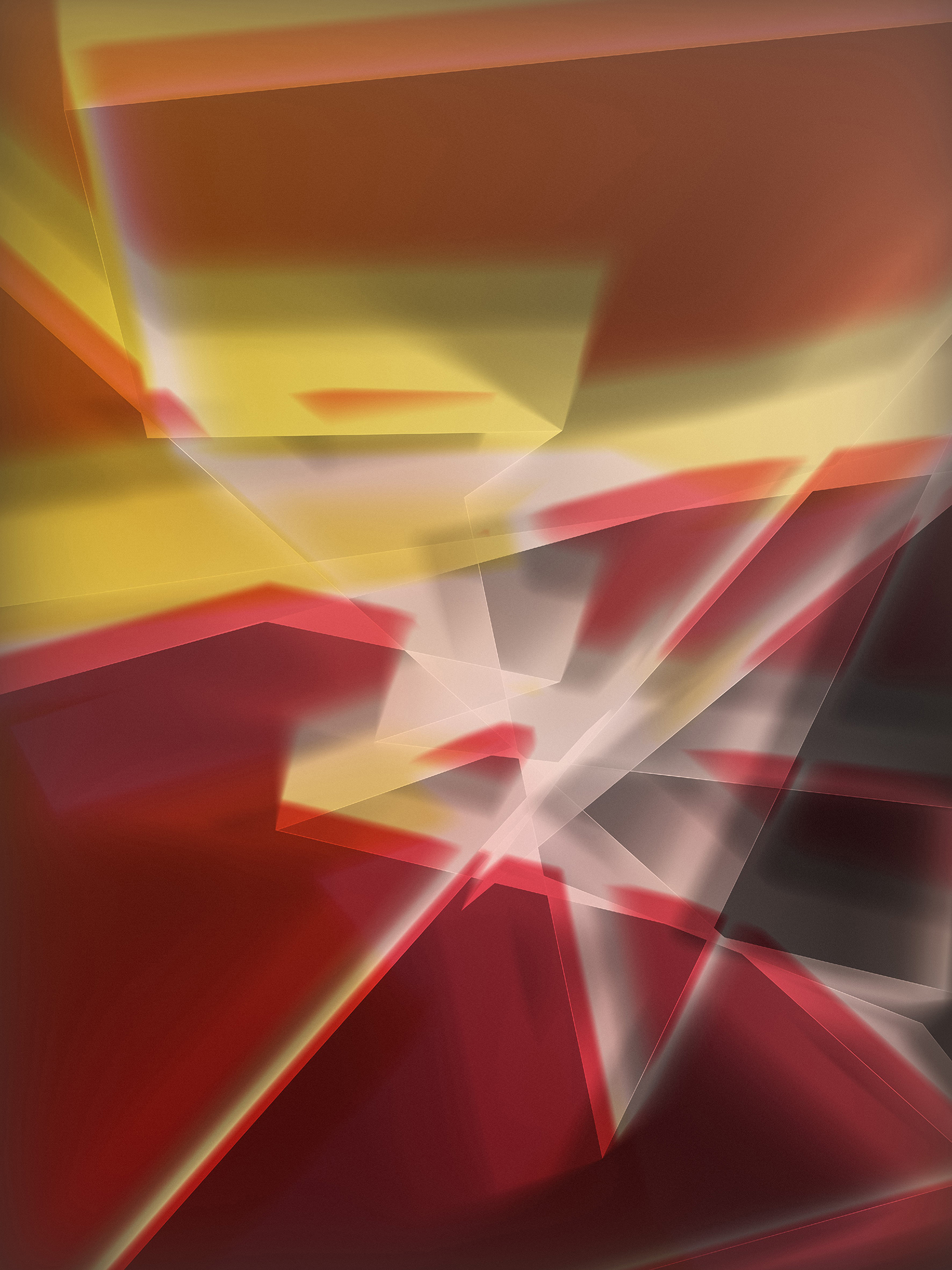
phg.02_I
Фотограмма, сделанная в компьютере.A photogram made in the computer.
№ 09 · 1992 · MAMC+
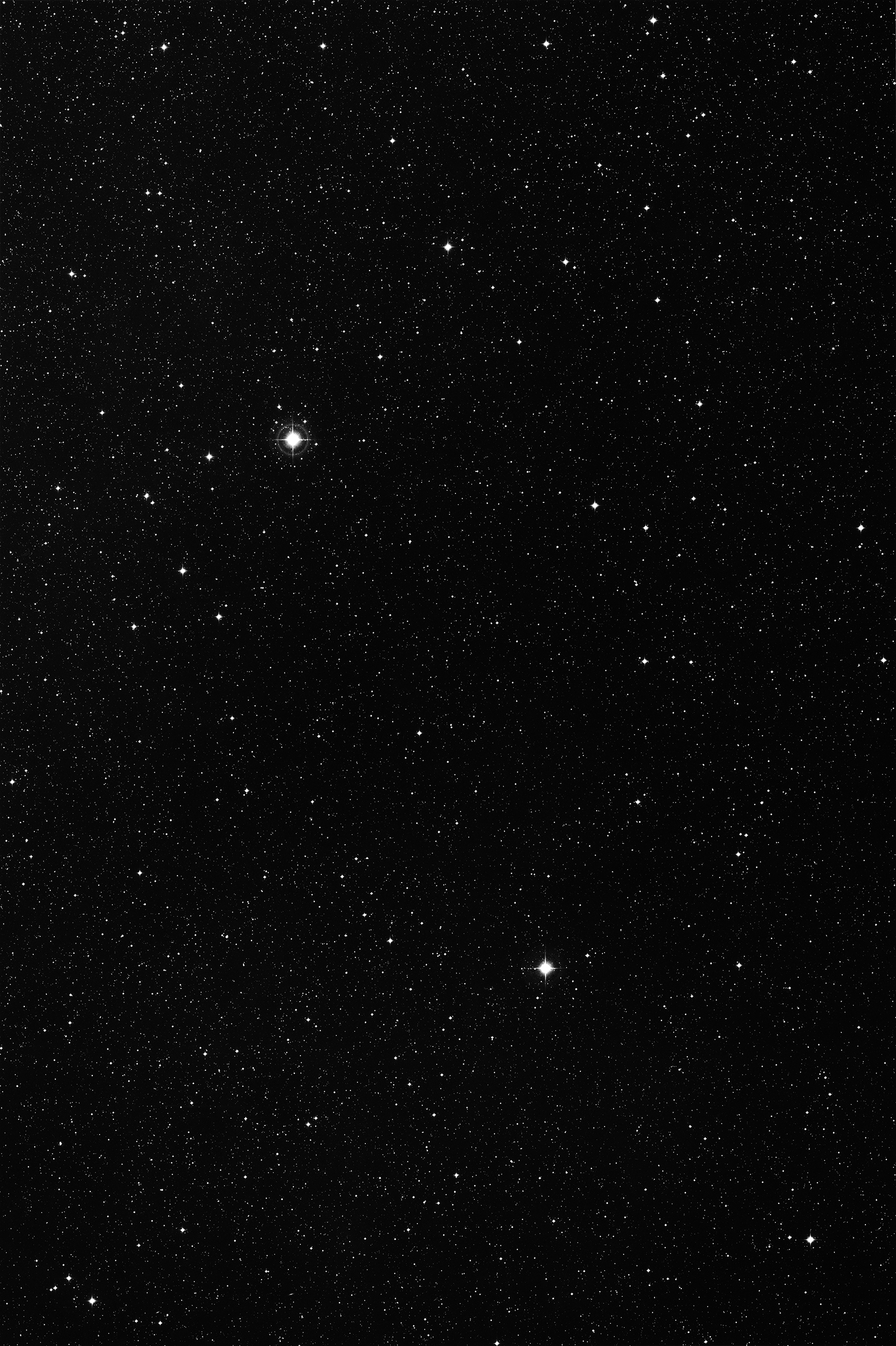
Томас РуффThomas Ruff
18h 42m / -75°
Звёзды из архива обсерватории.Stars from an observatory archive.
№ 10 · 1986 · MAMC+
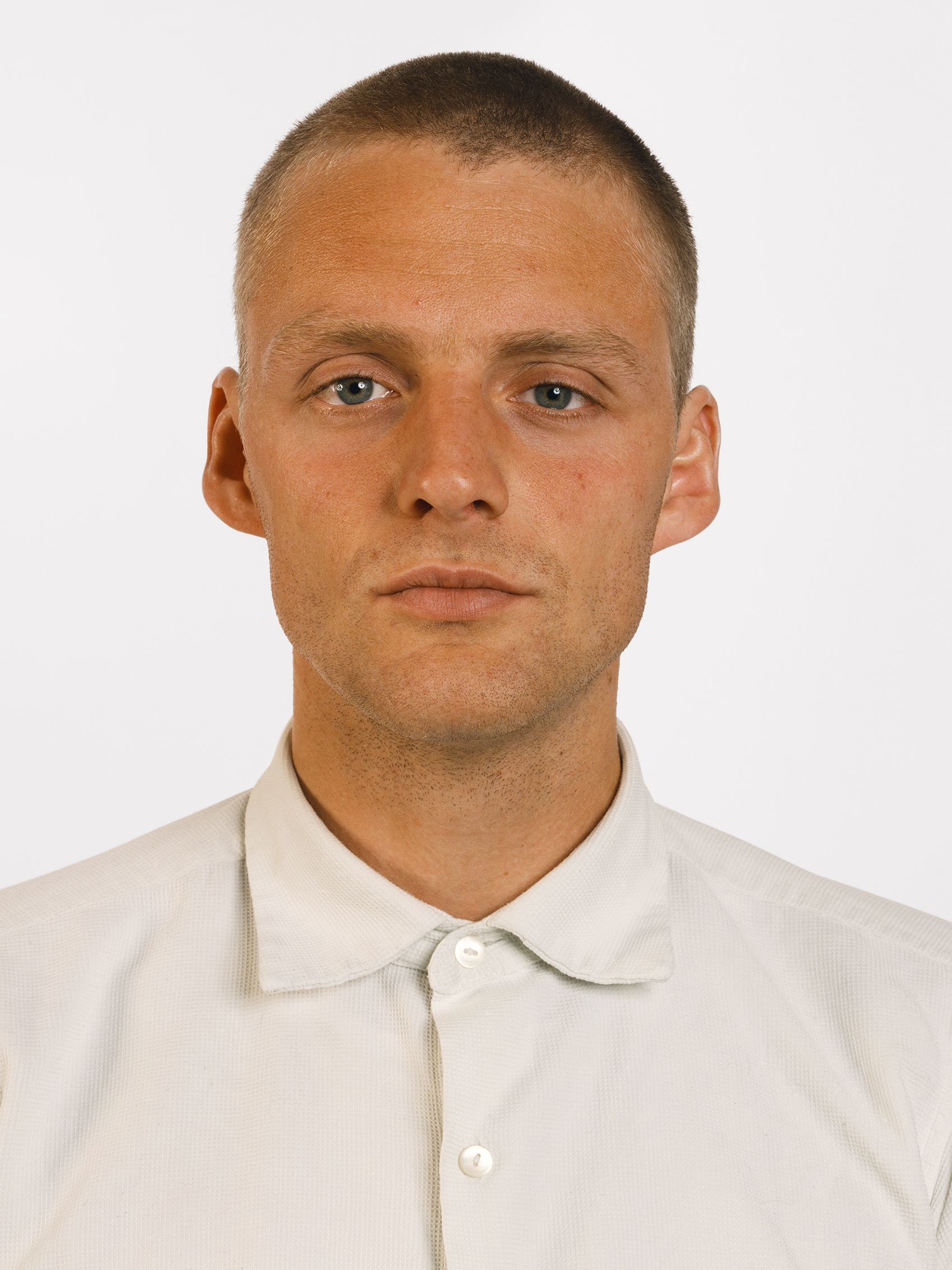
Томас РуффThomas Ruff
Porträt (R. Müller)
Лицо без выражения, как на документе.A face without expression, like on an ID.
№ 11 · 1994-95 · MAMC+
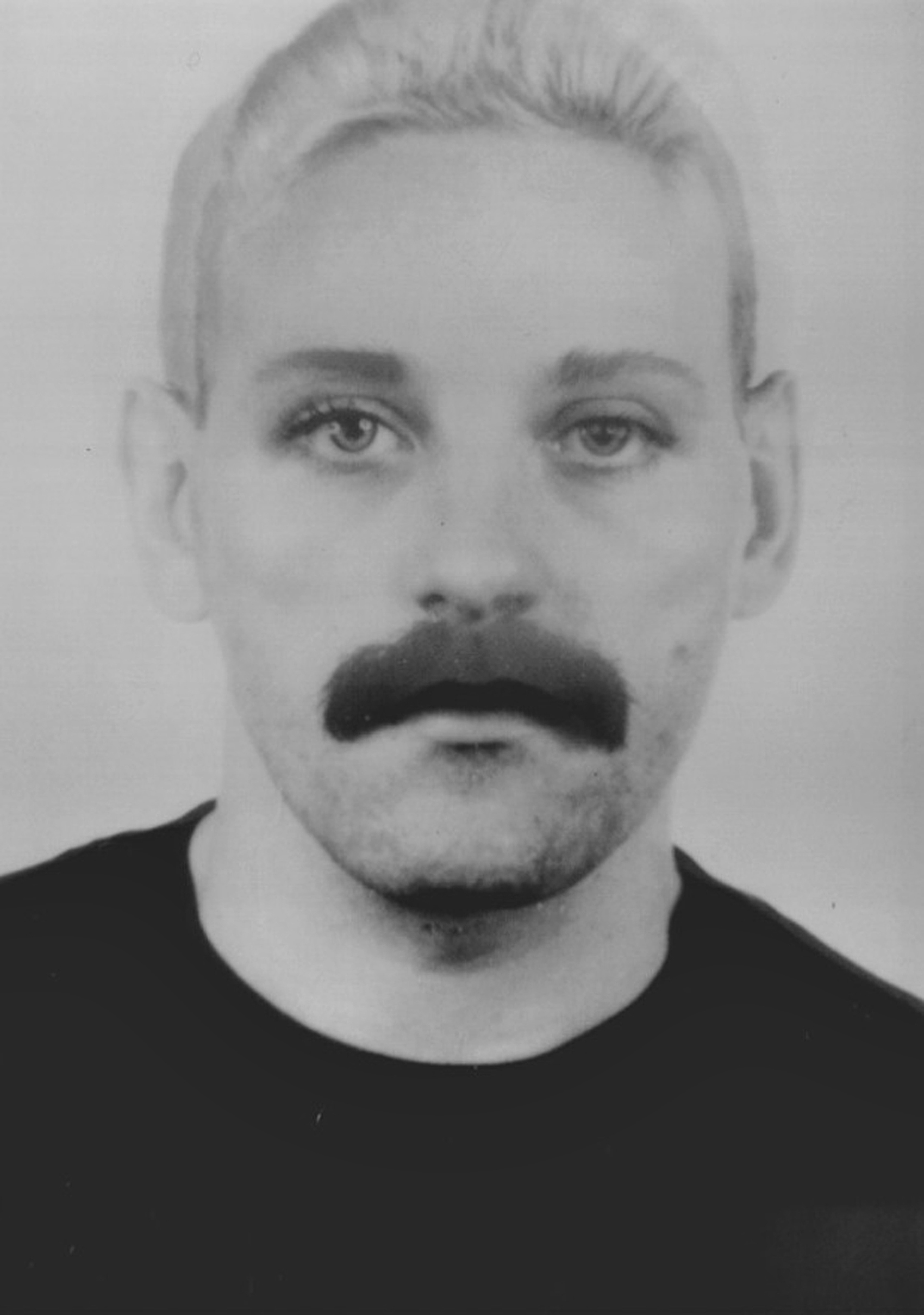
Томас РуффThomas Ruff
anderes Porträt 122/138
Два лица в одном, как фоторобот.Two faces in one, like a police composite.
№ 12 · 2016 · MAMC+
Томас РуффThomas Ruff
neg◊marey_02
Негатив хронофотографии Марея.A negative of a Marey chronophotograph.
09

Ещё авторы: выдержка, свет и бумага как предметMore artists: exposure, light and paper as the subject

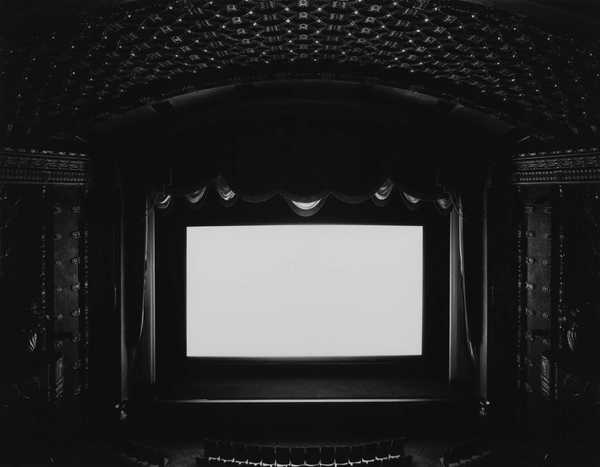
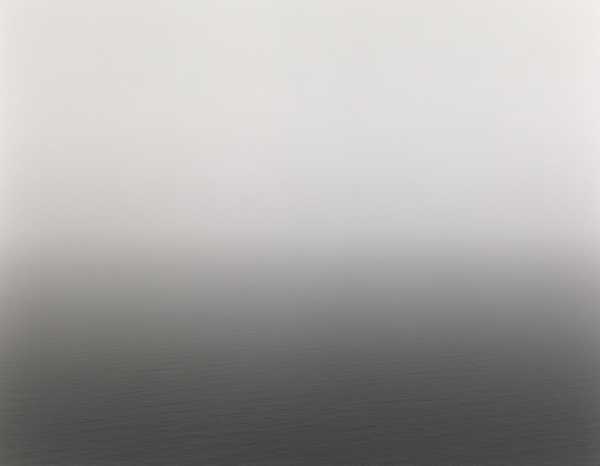
Те же вопросы задают и другие авторы. У Сугимото предмет снимка - сама выдержка. У Тильманса и Бешти - свет и фотобумага. У Барт - сам свет в комнате.

Other artists ask the same questions. For Sugimoto the subject is the exposure itself. For Tillmans and Beshty it is light and photographic paper. For Barth it is the light in a room.

№ 13 · Tate
Хироси СугимотоHiroshi Sugimoto
El Capitan, Hollywood
Выдержка длиной во весь фильм: экран стал белым.An exposure as long as the whole film: the screen turns white.
№ 14 · Tate
Хироси СугимотоHiroshi Sugimoto
Aegean Sea, Pilion
Только горизонт и время.Only the horizon and time.
№ 15 · Tate
Вольфганг ТильмансWolfgang Tillmans
Freischwimmer 16
Без камеры: свет на бумаге в тёмной комнате.No camera: light on paper in the darkroom.
№ 16 · 2006-08 · Tate
Валид БештиWalead Beshty
Travel Pictures
Плёнку засветили рентгеновские сканеры в аэропортах.The film was fogged by airport X-ray scanners.
№ 17 · 2011 · Art Institute of Chicago
Валид БештиWalead Beshty
Picture Made by My Hand with the Assistance of Light
Цвет из света, без камеры.Colour from light, no camera.
№ 18 · 2011 · Art Institute of Chicago
Ута БартUta Barth
...and to draw a bright white line with light
В кадре сам свет, без предмета.Light itself, with no object.
№ 19 · 1973 · Art Institute of Chicago
Кеннет ДжозефсонKenneth Josephson
Polapan
Снимки о самом снимке.Pictures about the picture.
№ 20 · 1925-29 · Art Institute of Chicago
Ласло Мохой-НадьLászló Moholy-Nagy
Negative Portrait
Негатив как готовое изображение.The negative as the finished image.
10

Элвин Грейс: след жеста в кадреAlvin Greis: the trace of a gesture in the frame

Элвин Грейс - фотограф из Финляндии. Публично работает с 2025 года. Свою «Theory of Metaphotography» он опубликовал на собственном сайте. Это личный манифест одного автора, а не признанная школа, но он хорошо формулирует важную мысль.

Alvin Greis is a photographer based in Finland who has worked publicly since 2025. He published his «Theory of Metaphotography» on his own website. It is one author's manifesto, not an established school, but it states an important idea clearly.

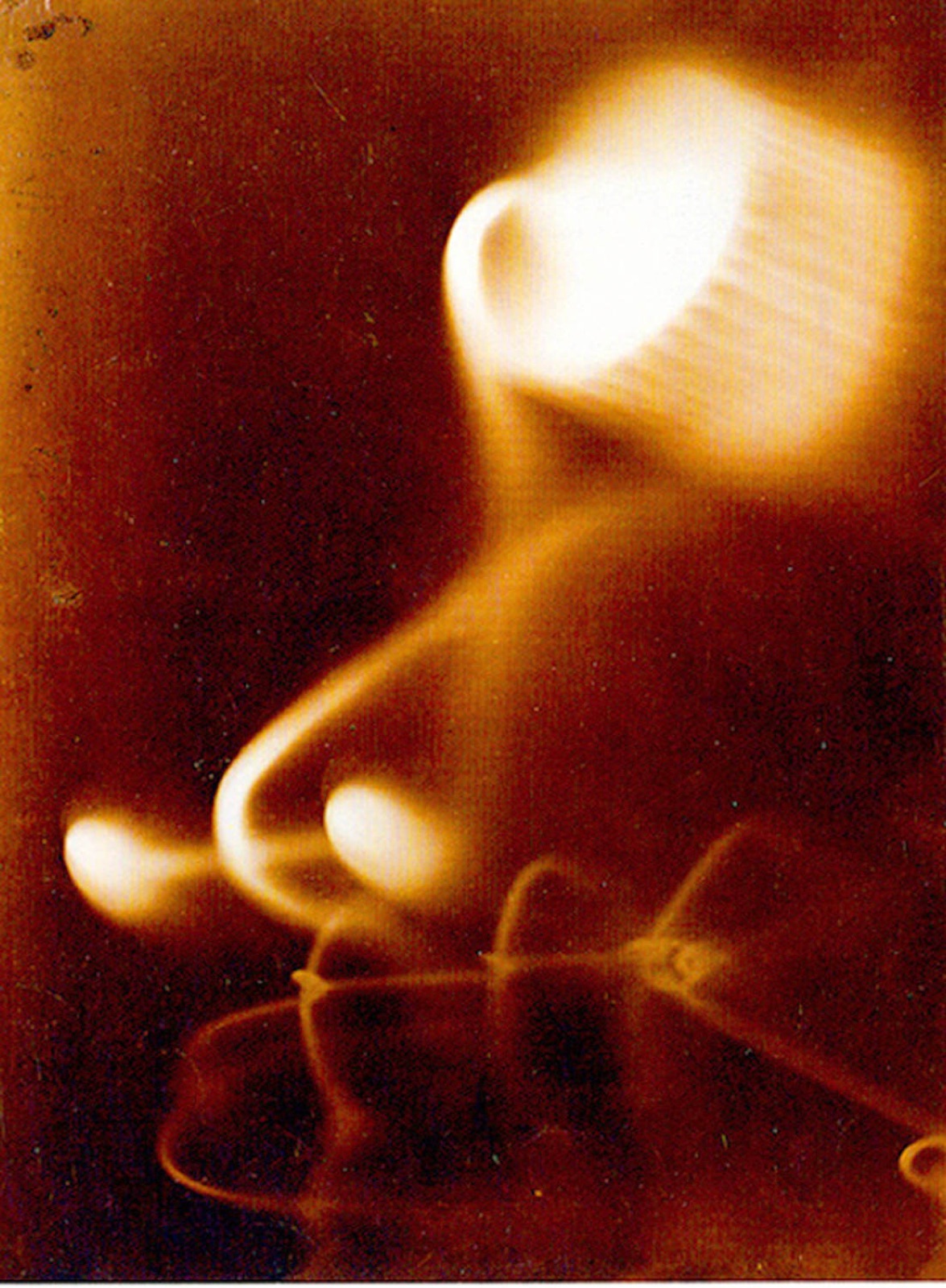
Главное в снимке - след действия автора во время экспозиции, а не предмет и не эффект. Движение камеры работает как мазок кисти. Снимок остаётся фотографией: он сделан за одну реальную экспозицию, без коллажа и генерации.

What matters in the image is the trace of the author's action during the exposure, not the subject and not the effect. The camera movement works like a brushstroke. The image stays a photograph: it is made in one real exposure, with no collage and no generation.

  • След действия.Trace of action. Движение камеры оставляет след, который строит композицию.Camera movement leaves a trace that builds the composition.
  • Сжатие времени.Temporal compression. Длительность становится видимой формой внутри одного кадра.Duration becomes a visible form inside one frame.
  • Эстетический протокол.Aesthetic protocol. Жесты повторяемы. Так серия отличается от случайного брака.Gestures can be repeated. This is what separates a series from an accident.
  • Индексальность.Indexicality. Кадр связан с реальным событием съёмки.The frame is tied to a real event of exposure.
  • Природа медиума.Medium specificity. Картинка читается как фотография, а не как живопись или рендер.The image reads as a photograph, not as a painting or a render.
«Not an error. A trace of the decision inside the image.» Грейс о сдвиге внизу кадра в серии Index of PresenceGreis on the shift at the bottom of the frame in Index of Presence
№ 21 · 2026 · alvingreis.com
Элвин ГрейсAlvin Greis
The same place
Камера описывает то, что видно.The camera describes what is seen.
№ 22 · 2026 · alvingreis.com
Элвин ГрейсAlvin Greis
The same place (2)
То же место: камера как жест.The same place: the camera as a gesture.
№ 23 · 2026 · alvingreis.com
Элвин ГрейсAlvin Greis
Index of Presence
Движение по ритму улицы, люди как силуэты.Movement follows the street, people remain silhouettes.
№ 24 · 2026 · alvingreis.com
Элвин ГрейсAlvin Greis
Index of Presence
№ 25 · 2026 · alvingreis.com
Элвин ГрейсAlvin Greis
Leaves
«Сколько можно убрать, прежде чем картинка перестанет работать?»«How much can be removed before the image stops working?»
№ 26 · 2026 · alvingreis.com
Элвин ГрейсAlvin Greis
Pine needles
11

Кто делал это раньше: движение и время в кадреWho did it before: motion and time in the frame

Идея «след движения важнее предмета» появилась задолго до Грейса. Её можно увидеть у Каллахана и Хааса, у Титаренко на длинной выдержке. Аарон Сискинд дружил с абстрактными экспрессионистами Францем Клайном и Виллемом де Кунингом, и его плоские поверхности ближе всего к «живописи действия».

The idea that the trace of motion matters more than the object is much older than Greis. You can see it in Callahan and Haas, and in Titarenko's long exposures. Aaron Siskind was a friend of the Abstract Expressionists Franz Kline and Willem de Kooning, and his flat surfaces come closest to action painting.

Этьен-Жюль МарейÉtienne-Jules Marey
Chronophotograph of a Flying Heron
Полёт как след на одном кадре.Flight as a trace in one frame.
№ 28 · 1950 · Art Institute of Chicago
Гарри КаллаханHarry Callahan
Chicago
Эксперименты с движением и светом.Experiments with motion and light.
№ 29 · 1956 · Art Institute of Chicago
Гарри КаллаханHarry Callahan
Multiple Exposure Tree, Chicago
Многократная экспозиция.Multiple exposure.
№ 30 · 1953 · Art Institute of Chicago
Аарон СискиндAaron Siskind
Chicago 224
Плоскость как холст.The surface as a canvas.
№ 31 · Art Blart
Эрнст ХаасErnst Haas
Rush Hour, New York City
Смаз цвета: город как поток.Colour blur: the city as a stream.
№ 32 · 1992 · Art Blart
Алексей ТитаренкоAlexey Titarenko
Untitled (Crowd 1), City of Shadows
Выдержка в секунды: толпа стала дымом.An exposure of seconds: the crowd turns to smoke.
12

Сравнение: обычная фотография, метафотография, ИИCompared: traditional photography, metaphotography, AI

Традиционная фотографияTraditional photographyМетафотография: критика медиумаMetaphotography: critique of the mediumМетафотография: жестMetaphotography: gestureГенерация (ИИ)Generation (AI)
Куда смотримWhere we lookНа предмет перед камеройAt the object in front of the cameraНа носитель, код, архивAt the medium, the code, the archiveНа свой жест и его следAt one's own gesture and its traceНа модель и подсказкуAt the model and the prompt
Роль камерыRole of the cameraПрозрачный инструментA transparent toolПредмет исследованияThe object of studyИнструмент движения автораA tool of the author's movementНе нужнаNot needed
Связь с реальностьюLink to realityПолная: документFull: a documentПод вопросомQuestionedСохраняется: свет и жестKept: light and gestureУтрачена: расчётLost: a computation
Где рождается формаWhere form is madeВ момент спускаAt the shutter releaseВ концепции, архиве, обработкеIn the concept, archive or processingВо время экспозицииDuring the exposureВ подсказке и моделиIn the prompt and the model
13

Вопросы к своему кадруQuestions to ask of your frame

  1. Где в кадре ирония, а где искренность? Видно ли, что я снимал всерьёз?Where is the irony in the frame, and where the sincerity? Can one see that I shot it in earnest?
  2. Я оставил ошибку, потому что она живая, или потому что не заметил?Did I keep the error because it is alive, or because I did not notice it?
  3. Что в кадре говорит о самой фотографии: выдержка, плёнка, файл, свет?What in the frame speaks about photography itself: the exposure, the film, the file, the light?
  4. Виден ли в кадре мой жест? Смогу ли я его повторить?Is my gesture visible in the frame? Could I repeat it?
  5. Ошибка здесь случайна или работает на кадр?Is the error accidental, or does it work for the frame?
  6. Что в кадре осталось «правильным» и держит ошибку?What in the frame stayed «correct» and holds the error?
  7. Читается ли кадр как фотография, а не как живопись или рендер?Does the frame read as a photograph, not as a painting or a render?
14

СловарьGlossary

МетамодернMetamodernism
Настроение после постмодерна: мы знаем про иронию, но снова хотим искренности.The mood after postmodernism: we know the irony, but want sincerity again.
ОсцилляцияOscillation
Колебание между верой и сомнением, искренностью и иронией.A swing between belief and doubt, sincerity and irony.
Информированная наивностьInformed naivety
Знать все приёмы и всё равно смотреть на мир прямо и с доверием.Knowing every device and still looking at the world directly and with trust.
Прагматический идеализмPragmatic idealism
Верить в смысл, но в малом и практическом, без больших лозунгов.Believing in meaning, but in small, practical things, without grand slogans.
Новая искренностьNew sincerity
Говорить всерьёз после эпохи иронии.Speaking seriously after an age of irony.
ПостмодернPostmodernism
Сомнение во всём: правды нет, всё цитата и игра.Doubt about everything: there is no truth, everything is a quote and a game.
МетакартинаMetapicture
Изображение, которое показывает само себя и то, как его смотрят.An image that shows itself and how it is viewed.
АппаратApparatus
У Флюссера: камера с заложенной программой возможных снимков.For Flusser: a camera with a built-in program of possible pictures.
ИндексальностьIndexicality
Физическая связь снимка с реальным светом и событием.The physical link between a picture and real light and events.
ФотограммаPhotogram
Снимок без камеры: предмет и свет прямо на светочувствительной бумаге.A picture made without a camera: object and light directly on sensitive paper.
ХронофотографияChronophotography
Несколько фаз движения на одном кадре или в серии.Several phases of motion in one frame or in a sequence.
ICMICM
Intentional camera movement: намеренное движение камеры во время выдержки.Intentional camera movement during the exposure.
ПостфотографияPost-photography
Изображения, созданные без съёмки: коллаж, симуляция, генерация.Images made without an exposure: collage, simulation, generation.
МедиумMedium
Носитель изображения и способ его получить: камера, плёнка, файл, бумага.The carrier of the image and the way it is made: camera, film, file, paper.
Are-bure-bokeAre-bure-boke
«Грубо, смазано, не в фокусе»: программа японского журнала Provoke.«Rough, blurred, out of focus»: the program of the Japanese magazine Provoke.
15

Об этом сайте и обо мнеAbout this site and me

Зачем этот сайтWhy this site

Я начал и продолжаю учиться у фотографа Александра Медведева. Чтобы лучше разобраться самому, я решил делать этот сайт: разложить тему по полкам, найти примеры и источники. Если он пригодится сокурсникам, буду рад.

I have started, and continue, to study with the photographer Alexander Medvedev. To understand the subject better myself, I decided to make this site: put the topic in order, find examples and sources. If it helps my fellow students, I will be glad.

СпасибоThanks

Спасибо Александру Медведеву. Его сайт: medvedevphoto.ru. Его курс: «Современный язык фотографии».

Thank you to Alexander Medvedev. His website: medvedevphoto.ru. His course: «The Contemporary Language of Photography» (in Russian).

Откуда материалыWhere the material comes from

Материалов из лекций Александра здесь нет. Все факты взяты из открытых источников, они перечислены в разделе «Источники». Фотографии под авторским правом на этот сайт не копируются: они показаны прямо с сайтов музеев и авторов, под каждой есть ссылка на источник. На сайте хранятся только работы в общественном достоянии.

There is no material from Alexander's lectures here. All facts come from open sources, listed under «Sources». Photographs under copyright are not copied to this site: they are shown directly from the websites of museums and authors, with a link to the source under each one. Only public-domain works are stored on this site.

Живой проектA living project

Сайт будет наполняться по мере того, как я прохожу курсы.

The site will grow as I go through the courses.

Обо мнеAbout me

Я давно увлекаюсь фотографией. Выставлять работы никогда не думал, хотя однажды, в 2009 году, их выставляли в Петербурге.

I have been into photography for a long time. I never planned to exhibit my work, although once, in 2009, it was shown in Saint Petersburg.

Сначала я пользовался фотосайтами. Потом понял, что там одни фотографы, а общение довольно токсичное. Открытый Instagram я почти не вёл: там мало фотографий и мало подписчиков. Сейчас начал его оживлять.

At first I used photo websites. Then I realised that they are full of photographers only, and the tone there is rather toxic. I hardly ran a public Instagram: there are few pictures and few followers. Now I have started to bring it back to life.

16

ИсточникиSources

Права на все изображения принадлежат авторам и музеям. Картинки показаны прямо с их сайтов. Работы Марея, Майбриджа и фотограмма Мохой-Надя 1923 года находятся в общественном достоянии.

All images remain the property of their authors and museums and are shown directly from their websites. The works by Marey and Muybridge and Moholy-Nagy's 1923 photogram are in the public domain.